admin / May 6, 2025
How to manage stress and improve mental health naturally?
How to Manage Stress and Improve Mental Health Naturally: How To Manage Stress And Improve Mental Health Naturally?
How to manage stress and improve mental health naturally? – Managing stress and enhancing mental health naturally is essential for living a balanced and fulfilling life. This article explores various methods to understand stress and its effects, as well as practical steps to manage it effectively without relying on medication.
Understanding Stress
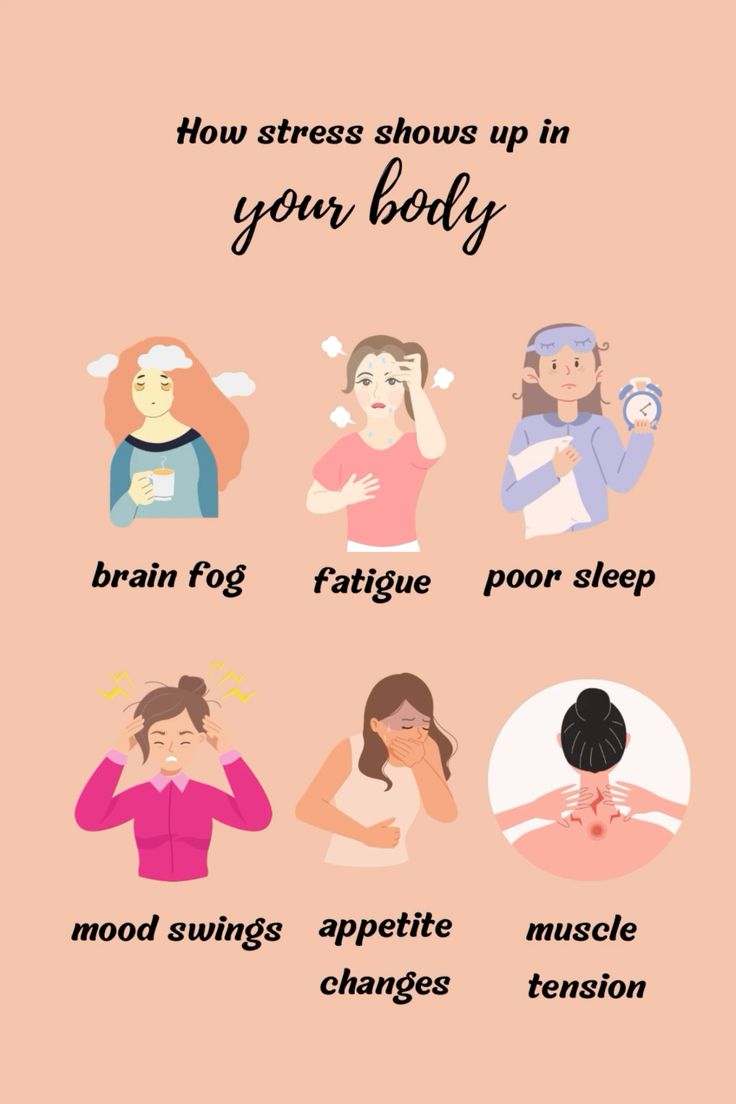
Stress is a natural response of the body that can have significant physiological effects. When faced with stress, the body activates the “fight or flight” response, releasing hormones like adrenaline and cortisol. This response increases heart rate, blood pressure, and energy levels, preparing the body to respond to perceived threats. However, chronic stress can lead to various health issues, including anxiety, depression, and heart disease.Common sources of stress in daily life include work pressures, financial concerns, relationship issues, and health problems.
It is crucial to differentiate between acute and chronic stress. Acute stress is short-term and often related to specific events, while chronic stress persists over an extended period, affecting overall well-being.
Natural Methods to Manage Stress, How to manage stress and improve mental health naturally?
There are numerous natural techniques for stress reduction that can be easily incorporated into daily life. Some effective methods include:
- Deep breathing exercises
- Physical activities such as yoga or tai chi
- Aromatherapy using essential oils
- Spending time in nature
- Engaging in creative activities like painting or writing
Herbal remedies can also alleviate stress. Some popular options include:
- Chamomile tea for relaxation
- Lavender for its calming properties
- Passionflower to reduce anxiety
- Valerian root for improved sleep
Incorporating mindfulness practices into a daily routine can significantly reduce stress levels. This could involve setting aside time each day for meditation, journaling, or simply enjoying a quiet moment of reflection.
Improving Mental Health Naturally
Physical activity plays a vital role in boosting mental health. Regular exercise releases endorphins, which are natural mood lifters. Engaging in activities like running, swimming, or dancing can enhance overall well-being.Nutrition is another critical factor influencing mental health. A balanced diet rich in fruits, vegetables, whole grains, and healthy fats supports brain function and emotional stability. Foods high in omega-3 fatty acids, such as salmon and walnuts, are particularly beneficial.Adequate sleep is essential for mental health as well.
Sleep deprivation can lead to irritability, anxiety, and cognitive impairment. Prioritizing sleep hygiene, such as maintaining a consistent sleep schedule and creating a comfortable sleep environment, can enhance overall mental well-being.
Mindfulness and Meditation
Practicing mindfulness meditation can be an effective way to manage stress. A simple step-by-step guide includes:
- Find a quiet space and sit comfortably.
- Close your eyes and take a few deep breaths.
- Focus on the sensations of your breath entering and leaving your body.
- When thoughts arise, gently acknowledge them and return your focus to your breath.
- Continue this practice for 5-10 minutes daily.
Breathing exercises also play a crucial role in stress management. Techniques such as the 4-7-8 method can help calm the nervous system and reduce anxiety.
| Meditation Technique |
Benefits |
| Mindfulness Meditation |
Increases self-awareness and focuses on the present moment. |
| Guided Meditation |
Helps relax and visualizes peaceful scenarios. |
| Loving-kindness Meditation |
Promotes compassion and positive feelings towards self and others. |
Building Resilience
Developing emotional resilience is essential for effective stress management. Strategies to foster resilience include:
- Practicing gratitude by keeping a daily journal of positive experiences.
- Setting realistic goals and taking gradual steps to achieve them.
- Learning to adapt to change and viewing challenges as opportunities for growth.
Exercises that promote a positive mindset, such as affirmations or visualization techniques, can significantly impact overall resilience. Furthermore, maintaining social support is crucial; connecting with friends, family, and community can provide emotional strength during stressful times.
Lifestyle Changes for Stress Relief
Making lifestyle adjustments can significantly reduce stress levels. Some effective changes include:
- Establishing a consistent daily routine to promote stability.
- Limiting screen time and taking regular breaks from digital devices.
- Incorporating hobbies and leisure activities into daily life.
Creating a balanced work-life environment is vital for maintaining mental health. Setting boundaries regarding work hours and ensuring time for relaxation and personal interests can help achieve this balance.
The Role of Nature in Mental Health
Spending time in nature offers numerous psychological benefits. Nature has a calming effect, reducing anxiety and enhancing mood. Activities like hiking, gardening, or simply walking in a park can boost mental health.Engaging with the natural environment can include:
- Participating in outdoor sports
- Joining community gardening projects
- Volunteering for local conservation efforts
Ecotherapy is a concept focused on the therapeutic benefits of nature. Studies have shown that individuals who regularly spend time in natural settings report lower stress levels and improved emotional health.
Tracking Progress
Monitoring stress levels is essential for understanding personal triggers and identifying effective coping strategies. Methods for tracking stress may include:
- Keeping a stress diary to note daily stressors and reactions.
- Using apps designed to track mood and mental health.
- Regularly assessing physical symptoms associated with stress.
A template for logging daily mental health efforts could include sections for noting stress levels, activities undertaken, and reflections on what worked well each day.Reflecting on personal growth in stress management is crucial. Regularly evaluating progress can empower individuals to make necessary adjustments and celebrate successes on their wellness journey.