admin / January 4, 2026

Preventive Healthcare Services

Preventive healthcare is essential for maintaining a healthy lifestyle and reducing the risk of chronic diseases. By focusing on prevention rather than treatment, individuals can achieve better health outcomes and enhance their quality of life. This article delves into the importance of preventive healthcare services, the various types available, and how to incorporate them into your health regimen.

Importance of Preventive Healthcare

Preventive healthcare plays a crucial role in the healthcare system for several reasons:

1. Early Detection of Diseases

Routine screenings can help detect conditions such as high blood pressure, diabetes, and cancer in their early stages, when treatment is often more effective and less costly.

2. Reducing Healthcare Costs

By preventing diseases, individuals can avoid costly medical treatments and hospitalizations, leading to significant savings in healthcare expenses over time.

3. Improved Quality of Life

Preventive care encourages healthier lifestyles, promoting physical and mental well-being. It equips individuals with tools and knowledge to make informed health decisions.

Types of Preventive Healthcare Services

Preventive healthcare services encompass a wide range of activities. Here are some key types:

1. Routine Physical Examinations

Regular check-ups allow healthcare providers to monitor your overall health. During these visits, providers assess risk factors, conduct physical exams, and recommend necessary screenings based on age, gender, and family history.

2. Immunizations and Vaccinations

Vaccines protect against various infectious diseases, including influenza, measles, and hepatitis. Staying up to date with vaccinations is critical for both individual and public health.

3. Screenings

Screening tests, such as mammograms, colonoscopies, and cholesterol checks, help identify conditions before symptoms arise. These tests can be lifesaving when performed regularly as recommended.

4. Health Risk Assessments

These assessments evaluate lifestyle choices, family history, and health conditions to identify risks. Healthcare providers can then suggest personalized interventions to mitigate these risks.

5. Counseling and Education

Preventive care often includes counseling on topics such as smoking cessation, weight management, and stress reduction. Educating patients empowers them to make healthier lifestyle choices.

Integrating Preventive Care into Your Life

Incorporating preventive healthcare services into your routine can be straightforward. Here are some tips:

1. Schedule Regular Check-Ups

Make it a habit to schedule annual physical exams with your healthcare provider. These visits are essential for monitoring your health and updating any necessary screenings or vaccinations.

2. Stay Informed About Vaccination Schedules

Keep track of your vaccination history and know which vaccines are recommended for your age group and health conditions. Consult with your doctor about any missing vaccinations.

3. Participate in Health Screenings

Take advantage of community health fairs and screenings offered by healthcare providers. Many organizations provide free or low-cost screenings for various conditions.

4. Adopt a Healthy Lifestyle

Incorporate exercise, a balanced diet, and stress-reduction techniques into your daily life. These habits contribute significantly to overall health and can help prevent chronic diseases.

Conclusion

Preventive healthcare services are fundamental to achieving and maintaining good health. By prioritizing prevention through regular check-ups, vaccinations, screenings, and education, individuals can effectively reduce their risk of disease and improve their overall quality of life. Take charge of your health today and embrace preventive care as a vital part of your wellness journey!

admin / January 4, 2026

Medical and Health

In today’s fast-paced world, understanding medical and health issues is more important than ever. With advancements in technology and medicine, individuals have greater access to health information, which can empower them to make informed decisions about their well-being. This article explores various aspects of medical and health, including preventive measures, wellness practices, and the significance of regular health check-ups.

The Importance of Preventive Healthcare

Preventive healthcare focuses on maintaining health and preventing diseases before they develop. This proactive approach can significantly reduce the risk of chronic diseases and improve overall quality of life. Key components of preventive healthcare include:

1. Regular Health Check-Ups

Undergoing routine health screenings enables healthcare professionals to detect potential health issues early on. Conditions such as hypertension, diabetes, and high cholesterol can often be managed effectively if identified in their early stages.

2. Vaccinations

Vaccinations are crucial for preventing infectious diseases. Staying up to date with recommended immunizations helps protect not only individuals but also community health by promoting herd immunity.

3. Healthy Lifestyle Choices

Adopting a balanced diet, engaging in regular physical activity, and avoiding harmful habits such as smoking can significantly enhance overall health and reduce disease risk. Nutrition plays a key role in maintaining a healthy weight and boosting the immune system.

Understanding Mental Health

Mental health is a vital aspect of overall well-being, yet it often does not receive the attention it deserves. The World Health Organization defines mental health as a state of well-being in which individuals can realize their potential, cope with life’s stresses, and contribute to their communities. Managing mental health effectively involves:

1. Stress Management

Techniques such as mindfulness, meditation, and deep-breathing exercises can help individuals manage stress and improve emotional resilience.

2. Seeking Professional Help

It is essential to seek help from mental health professionals when experiencing symptoms of anxiety, depression, or other mental health conditions. Early intervention can improve outcomes and enhance quality of life.

3. Social Support

Building and maintaining strong relationships with friends and family can provide emotional support, reducing feelings of isolation and promoting mental well-being.

The Role of Technology in Healthcare

Technological advancements have revolutionized the medical field, improving patient care and accessibility to health information. Key examples include:

1. Telemedicine

Telemedicine enables patients to consult healthcare providers remotely, making it easier for those in rural areas or with mobility challenges to receive care.

2. Health Apps

Various mobile applications help individuals manage their health by tracking fitness, medications, and dietary habits. These tools can empower users to take charge of their health.

3. Electronic Health Records (EHRs)

EHRs streamline patient information management, improving communication among healthcare providers and reducing the risk of errors.

Nutrition and Healthy Eating

A well-balanced diet is fundamental for maintaining health and preventing disease. Key elements of healthy eating include:

1. Variety and Balance

Incorporating a diverse range of foods ensures that the body receives essential nutrients. Focus on whole grains, lean proteins, healthy fats, fruits, and vegetables.

2. Portion Control

Being mindful of portion sizes can help prevent overeating and maintain a healthy weight. It’s important to be aware of hunger cues and to eat until satisfied, not stuffed.

3. Hydration

Staying hydrated is crucial for overall health. Water supports various bodily functions, including digestion, metabolism, and temperature regulation. Aim for at least eight glasses of water daily.

Conclusion

Understanding medical and health concepts is essential for making informed decisions about personal well-being. By prioritizing preventive care, mental health, healthy eating, and leveraging technology, individuals can enhance their quality of life and reduce the risk of chronic illnesses. Embrace a proactive approach to health and wellness, and empower yourself to lead a healthier, happier life!

admin / December 6, 2025

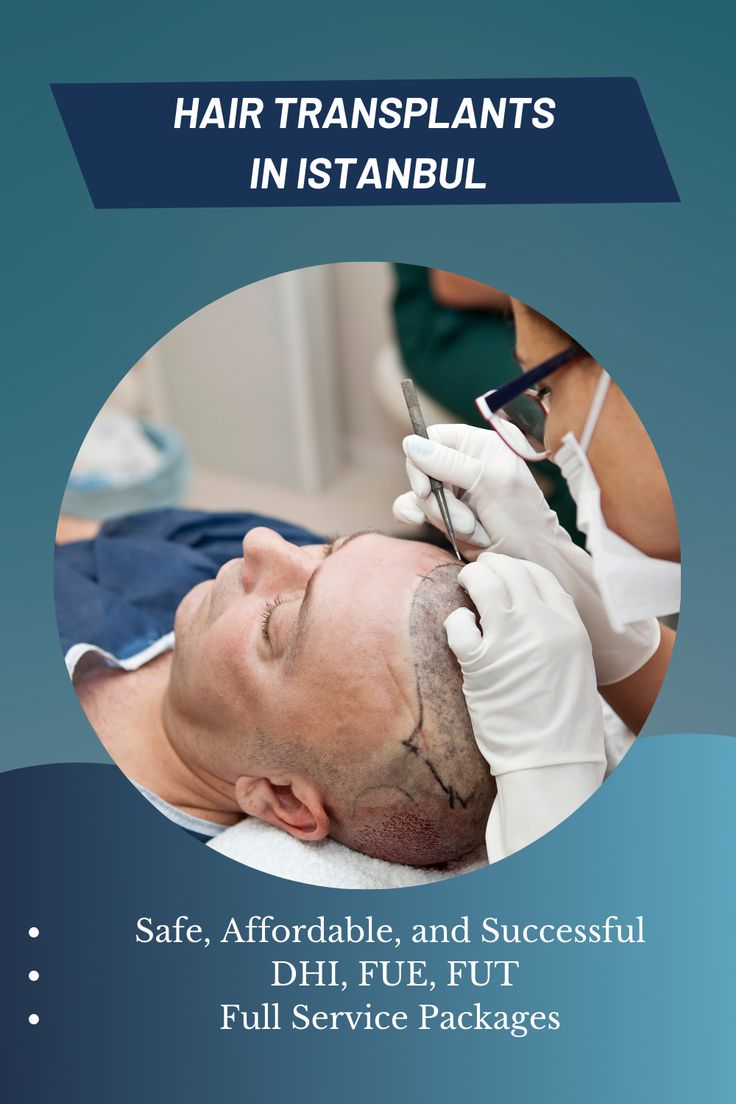
Hair Transplant in Turkey: Affordable and Effective Solution for Hair Loss

Hair transplant surgery has become one of the most sought-after treatments for those struggling with hair loss. Among the top destinations for high-quality yet affordable hair transplant procedures is Turkey. With its advanced medical facilities, experienced surgeons, and cost-effective treatments, Turkey has emerged as a global hub for hair restoration. In this article, we’ll explore why Turkey is considered one of the best places for a hair transplant and what you need to know before undergoing the procedure.

Why Choose Turkey for Hair Transplant?

Turkey has gained a reputation as a leader in the field of hair transplantation, particularly due to its combination of high-quality service and competitive pricing. The country’s healthcare system boasts state-of-the-art technology, modern clinics, and experienced professionals specializing in hair restoration. Cities like Istanbul, Ankara, and Antalya are home to some of the world’s top hair transplant surgeons.

Affordable Treatment Costs

One of the main reasons people choose Turkey for a hair transplant is the affordability. The cost of hair transplant procedures in Turkey is significantly lower than in many Western countries, even when factoring in travel expenses. You can save up to 70% on the cost of a hair transplant while still receiving world-class treatment.

Expert Surgeons and Quality Care

Turkey is home to internationally recognized hair transplant specialists who are experts in advanced techniques like FUE (Follicular Unit Extraction) and DHI (Direct Hair Implantation). Many Turkish clinics have international certifications and offer a full range of services, including pre-surgery consultations, post-surgery care, and even accommodation options for foreign patients.

Top-Rated Clinics in Turkey

Some of the most well-known and highly rated clinics in Turkey are located in Istanbul, a city with a rich history of medical innovation. Clinics in Turkey often offer customized treatment plans to suit individual needs, ensuring a personalized approach to hair restoration.

What to Expect During the Procedure

Hair transplant surgeries typically involve the extraction of healthy hair follicles from areas of the scalp with dense hair growth (usually the back of the head). These follicles are then transplanted to areas affected by thinning or baldness. The surgery is performed under local anesthesia, ensuring minimal discomfort. After the procedure, patients are advised to follow post-operative care instructions for the best results.

Recovery and Results

The recovery period for a hair transplant is relatively short, with most patients able to resume normal activities within a few days. Full results may take several months to become visible, as the transplanted hair follicles gradually grow and mature.

Conclusion

If you’re considering a hair transplant, Turkey offers an excellent combination of quality care, experienced surgeons, and cost savings. With its reputation as a global leader in hair restoration, Turkey is an ideal destination for anyone seeking a permanent solution to hair loss.

admin / December 6, 2025

The Benefits of Regular Exercise on Long-Term Health

Regular exercise is one of the most powerful tools for improving long-term health. Whether it’s walking, strength training, cycling, or yoga, physical activity contributes to better physical, mental, and emotional well-being.

Exercise strengthens the heart, improves circulation, and helps maintain healthy blood pressure. It also supports weight management by burning calories and increasing metabolism. Even moderate activities like brisk walking can significantly reduce the risk of chronic diseases such as diabetes, hypertension, and heart disease.

Mental health benefits are equally important. Exercise releases endorphins—natural chemicals that enhance mood, reduce anxiety, and improve sleep quality. Physical activity also stimulates cognitive function, enhancing memory, focus, and learning.

Strength training helps preserve muscle mass and bone density, especially important as individuals age. This reduces the risk of osteoporosis and improves mobility, balance, and overall independence.

Beyond physical benefits, exercise encourages discipline, improves self-esteem, and supports social interaction, especially when done in group settings. Whether at a gym, home, or outdoors, staying active contributes to a happier, healthier lifestyle.

admin / December 6, 2025

The Importance of Preventive Healthcare in Modern Life

Preventive healthcare has become one of the most essential components of modern medicine. As chronic diseases such as diabetes, hypertension, and obesity continue to rise globally, the importance of early detection and routine health monitoring has never been greater. Rather than waiting for symptoms to appear, preventive healthcare encourages individuals to take a proactive approach to their well-being.

One of the most significant benefits of preventive care is the ability to identify health issues before they become serious. Regular screenings such as blood pressure checks, cholesterol tests, and cancer screenings can detect potential problems early, improving the chances of successful treatment. Early detection not only saves lives but also reduces the financial burden associated with advanced medical care.

Lifestyle changes also play a major role in preventive healthcare. By maintaining a balanced diet, engaging in regular physical activity, and reducing stress, individuals can significantly lower their risk of developing chronic illnesses. Healthcare providers now emphasize lifestyle counseling as part of routine medical visits, helping patients adopt healthier habits.

Vaccinations are another key element in preventive healthcare. Immunizations protect individuals and communities from infectious diseases by creating herd immunity. From childhood vaccines to adult boosters, staying up-to-date with immunizations prevents outbreaks and promotes overall health.

Mental health is also gaining recognition in preventive care. Routine mental health screenings help identify signs of anxiety, depression, and stress-related disorders. Early intervention not only improves mental well-being but also enhances physical health.

Ultimately, preventive healthcare empowers individuals to take control of their long-term wellness. By identifying risks early, making informed lifestyle choices, and staying consistent with medical checkups, people can live healthier, longer, and more fulfilled lives. In a world where medical costs continue to rise, preventive care serves as both a health and financial investment.

admin / November 6, 2025

The Role of Nutrition in Supporting a Strong Immune System

A strong immune system is the body’s first line of defense against infections, viruses, and chronic illness. While genetics and environment play important roles, nutrition is one of the most influential factors in maintaining immune health. The foods we eat provide the vitamins, minerals, antioxidants, and macronutrients needed to keep the immune system functioning properly.

Vitamins such as vitamin C, vitamin D, and vitamin A are essential supporters of immune activity. Vitamin C improves white blood cell function, vitamin D regulates immune responses, and vitamin A maintains the integrity of the skin and mucous membranes. Similarly, minerals like zinc and selenium strengthen immune defense by aiding the production of infection-fighting cells.

A balanced diet rich in fruits, vegetables, whole grains, lean proteins, and healthy fats offers the nutrients necessary for immune support. Foods such as citrus fruits, leafy greens, nuts, seeds, yogurt, and fatty fish provide a powerful nutritional foundation.

Hydration also plays a key role in keeping the immune system functioning well. Water supports lymphatic flow, which helps transport immune cells throughout the body. Dehydration, even mild, can compromise the body’s ability to fight infections.

Meanwhile, processed foods, excessive sugar, and unhealthy fats can weaken immune function by promoting inflammation and reducing nutrient absorption. Limiting these foods helps ensure the immune system remains strong and responsive.

In addition to dietary choices, probiotics and gut-healthy foods contribute significantly to immune strength. Since more than 70% of the immune system is located in the gut, maintaining a healthy microbiome through yogurt, kefir, fermented foods, and high-fiber meals helps protect against illness and improve overall wellness.

admin / October 6, 2025

Managing Stress for Better Mental and Physical Health

Stress is a natural part of life, but chronic stress can take a serious toll on both mental and physical health. In today’s fast-paced world, people often experience stress from work, finances, relationships, and health concerns. When left unmanaged, stress can lead to anxiety, depression, high blood pressure, sleep disorders, and weakened immunity.

The body’s stress response triggers the release of hormones like cortisol and adrenaline. While helpful in short-term situations, long-term exposure to these hormones disrupts normal bodily functions. Chronic stress can increase the risk of heart disease, digestive issues, and even memory impairment.

Practicing stress management is essential for maintaining overall health. Techniques such as deep breathing, meditation, yoga, and regular exercise help reduce stress levels and promote relaxation. These activities activate the body’s parasympathetic nervous system, encouraging calmness and balance.

Additionally, maintaining social connections plays a vital role in stress reduction. Talking with friends or family, seeking support groups, or consulting mental health professionals can significantly improve emotional well-being.

Healthy lifestyle habits, including adequate sleep, balanced nutrition, and limiting caffeine and alcohol, also contribute to lower stress levels. Journaling, hobbies, and spending time in nature can further support mental health.

Ultimately, recognizing stress and taking steps to manage it can lead to improved emotional stability, better physical health, and enhanced quality of life.