What causes sensitive teeth and solutions

admin / March 9, 2026

What Causes Sensitive Teeth And Solutions

Introduction to Sensitive Teeth: What Causes Sensitive Teeth And Solutions

What causes sensitive teeth and solutions – Sensitive teeth, medically known as dentin hypersensitivity, affect a significant portion of the population, with estimates suggesting that around 40 million adults in the United States experience some level of tooth sensitivity. This condition is characterized by sharp, temporary pain in response to various stimuli, such as hot or cold temperatures, sugary foods, or even breathing in cold air. Common symptoms include a sudden jolt of pain while consuming certain foods or drinks, discomfort during dental cleanings, and an overall sensitivity that can interfere with daily activities.

Addressing tooth sensitivity is crucial not only for comfort but also for maintaining overall dental health, as prolonged sensitivity can lead to avoidance of necessary dental treatment.

Causes of Sensitive Teeth, What causes sensitive teeth and solutions

Tooth sensitivity arises from multiple causes, primarily linked to the exposure of the dentin, the sensitive inner layer of the tooth. Two of the leading causes are enamel erosion and gum recession. Enamel erosion can result from aggressive brushing, acidic foods, or beverages, leading to a thinning protective layer over the teeth. Gum recession exposes the roots of the teeth, which are not covered by enamel and are more prone to sensitivity.Dietary choices play a significant role in tooth sensitivity as well.

Foods high in acids, such as citrus fruits and soda, can exacerbate enamel wear. In addition, dental conditions such as cavities, cracked teeth, or worn fillings contribute to discomfort by allowing stimuli to reach the nerve endings within the teeth.

Diagnosis of Sensitive Teeth

Diagnosing tooth sensitivity involves several methods that dentists employ to pinpoint the underlying cause. Typically, this process begins with a thorough dental examination, where the dentist assesses the health of the teeth and gums. They may also take a detailed patient history to identify any contributing factors, such as dietary habits or oral hygiene routines. Differential diagnosis is essential to rule out other dental issues that may present similar symptoms, such as cavities or periodontal disease.

Patients can also benefit from a self-assessment checklist to determine their sensitivity symptoms, which may include the intensity of pain, triggers, and duration of discomfort.

Home Remedies for Sensitive Teeth

Several effective home remedies can help alleviate tooth sensitivity. One of the most recommended solutions includes using desensitizing toothpaste that contains compounds to block sensation from the tooth’s surface to the nerve. Additionally, natural ingredients can also soothe sensitive teeth. Here are a few beneficial options:

  • Saltwater Rinse: Helps reduce inflammation and kill bacteria.
  • Green Tea: Contains antioxidants that may help strengthen the gums.
  • Coconut Oil: Known for its antibacterial properties, it can soothe irritation.

Lifestyle changes can also play a vital role in reducing sensitivity. Modifying oral hygiene routines, such as using a soft-bristled toothbrush and avoiding excessive brushing force, can significantly lessen discomfort.

Professional Treatments for Sensitive Teeth

What causes sensitive teeth and solutions

When home remedies prove insufficient, various professional treatments are available for managing sensitive teeth. These include:

  • Fluoride Treatments: Strengthen enamel and reduce sensitivity.
  • Dental Sealants: Protect the tooth surface from external stimuli.
  • Root Canal Therapy: Considered for severe cases where sensitivity is a symptom of deeper issues.

Here’s a comparison table of the effectiveness and duration of different professional treatment options:

Treatment Effectiveness Duration
Fluoride Treatment Moderate Several months
Dental Sealants High 1-3 years
Root Canal Therapy Very High Permanent

Prevention Strategies for Sensitive Teeth

A comprehensive oral care routine is essential for preventing sensitivity. Key strategies include:

  • Regular Brushing: Use fluoride toothpaste and a soft-bristled toothbrush.
  • Limit Acidic Foods: Reduce intake of citrus fruits and soda to protect enamel.
  • Routine Dental Check-Ups: Regular visits to the dentist ensure early detection of potential issues.

Dietary adjustments can further minimize the risk of developing sensitive teeth. Incorporating foods rich in calcium and vitamin D supports enamel health and strengthens teeth. Regular dental check-ups are crucial, as they allow for early intervention and management of sensitivity before it escalates.

Myths and Facts about Sensitive Teeth

There are several common myths surrounding tooth sensitivity that often lead to misconceptions. For example, one prevalent myth is that sensitivity is a normal part of aging; however, this is false as it often indicates underlying dental issues that require attention.The psychological effects of tooth sensitivity can also change perceptions of dental health. Many individuals may fear dental visits due to their sensitivity, leading to avoidance of necessary care.

Here’s a comparison of some myths versus facts:

Myth Fact
Sensitivity is always permanent. Many treatments can reduce or eliminate sensitivity.
Only young people experience sensitivity. Sensitivity can affect individuals of all ages.
Desensitizing toothpaste is ineffective. Many people find relief through consistent use.
Benefits of regular dental checkups explained

admin / March 4, 2026

Benefits Of Regular Dental Checkups Explained

Benefits of Regular Dental Checkups Explained

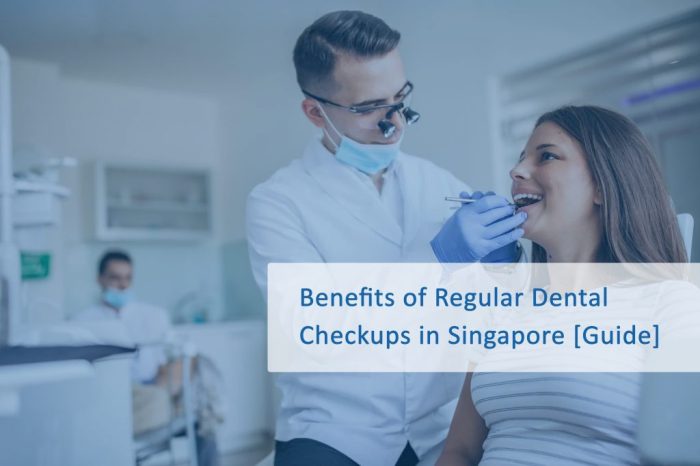
Benefits of regular dental checkups explained – Regular dental checkups are a crucial component of maintaining not only oral health but overall well-being. These visits allow dental professionals to monitor your dental health, identify potential issues before they escalate, and provide essential care that can prevent serious health complications. Let’s explore these benefits in detail.

Importance of Dental Checkups

Benefits of regular dental checkups explained

Regular dental checkups play a significant role in maintaining overall health. They serve as a proactive approach to dental care, allowing for the early detection of oral diseases such as cavities, gum disease, and even oral cancer. Research has shown a substantial link between oral health and systemic health issues, including heart disease and diabetes. Neglecting dental care can lead to complications that extend beyond the mouth, emphasizing the importance of consistent dental visits.

Preventive Care Benefits

During a dental checkup, various preventive measures are taken to safeguard your oral health. These typically include:

  • Comprehensive dental examinations to identify potential issues early.
  • Professional dental cleanings to remove plaque and tartar buildup.
  • Fluoride treatments and dental sealants to strengthen teeth and prevent cavities.

Regular visits help in preventing cavities and gum disease, ensuring that your smile remains healthy and vibrant. Moreover, dental cleanings are vital in maintaining oral hygiene, providing a level of care that is difficult to achieve through home brushing and flossing alone.

Financial Advantages of Regular Checkups

Investing in regular dental checkups can lead to significant savings in the long run. Preventive care is much more cost-effective compared to emergency treatments that may arise from neglected dental health. For instance, the cost of a routine checkup and cleaning is considerably lower than that of a root canal or dental surgery. By addressing issues early on, you can avoid expensive procedures and maintain a healthy mouth without breaking the bank.

Psychological Impacts of Dental Health

The state of your dental health can have profound psychological effects. Regular dental checkups can significantly reduce anxiety associated with dental treatments by creating a familiar and trusting environment. A healthy smile not only boosts confidence but also contributes to improved mental well-being. When individuals maintain good oral hygiene, they often feel more positive and self-assured about their appearance.

Children’s Dental Health

Establishing dental checkup routines during childhood is critical for fostering lifelong oral health habits. Early dental visits can have a lasting impact on children’s attitudes towards dental care, instilling the importance of maintaining their oral health. Parents can prepare their children for dental checkups by:

  • Explaining what to expect during the visit in a fun and reassuring manner.
  • Taking them for regular appointments to build familiarity with the dental office.
  • Encouraging good oral hygiene practices at home to complement professional care.

Technological Advancements in Dentistry, Benefits of regular dental checkups explained

Recent technological advancements have significantly improved the quality of dental checkups. Innovations such as digital X-rays and intraoral cameras enhance the diagnostic process, allowing dentists to detect problems with greater accuracy and less discomfort for patients. Looking ahead, trends like teledentistry and AI-assisted diagnostics are poised to transform dental care, making it more accessible and efficient.

Building a Long-Term Relationship with Your Dentist

Creating a rapport with your dental care provider is essential for receiving personalized care. Regular checkups foster trust and open communication, enabling dentists to tailor their recommendations based on individual needs. A consistent relationship with a dentist ensures that any changes in your dental health are monitored closely, leading to better outcomes over time.

How to prevent tooth decay naturally

admin / February 22, 2026

How To Prevent Tooth Decay Naturally

Understanding Tooth Decay: How To Prevent Tooth Decay Naturally

How to prevent tooth decay naturally – Tooth decay is a common dental issue that affects many people, regardless of age. Understanding the process and stages of tooth decay is crucial for prevention and effective oral care. It begins with the demineralization of tooth enamel, leading to cavities if left unchecked. The stages of tooth decay can be broken down into four main phases:

  1. Initial Demineralization: This stage involves the loss of minerals from the tooth surface due to acids produced by bacteria.
  2. Enamel Decay: The enamel begins to break down, forming visible cavities.
  3. Dentin Decay: If untreated, decay progresses to the dentin layer, which is softer and more vulnerable.
  4. Pulp Damage: Finally, decay reaches the pulp, leading to severe pain and potential tooth loss.

Common causes of tooth decay include poor oral hygiene, high sugar intake, and lack of fluoride. Thus, maintaining dental hygiene is essential in preventing decay. Regular brushing, flossing, and dental visits play a pivotal role in keeping teeth healthy.

Natural Remedies for Tooth Decay Prevention, How to prevent tooth decay naturally

Natural remedies can effectively strengthen teeth and prevent decay. Utilizing natural ingredients often found in your kitchen can be beneficial. Some methods include:

  • Oil Pulling: Swishing coconut oil in your mouth can help reduce bacteria and promote oral health.
  • Clove Oil: Known for its antibacterial properties, clove oil can help numb tooth pain and fight decay.
  • Green Tea: Rich in antioxidants, drinking green tea can enhance oral health and reduce decay risk.

Incorporating these remedies, along with dietary changes such as reducing sugar intake and eating more whole foods, can significantly diminish the risk of tooth decay.

Oral Hygiene Practices

How to prevent tooth decay naturally

Effective oral hygiene practices are vital in maintaining oral health. One should adopt proper brushing and flossing techniques. Here’s a step-by-step guide to establish a daily oral care routine:

  1. Brush your teeth twice a day with fluoride toothpaste.
  2. Use a soft-bristled toothbrush at a 45-degree angle to your gums.
  3. Floss daily to remove plaque and food particles between teeth.
  4. Use mouthwash to reach areas that brushing may have missed.

When selecting mouthwash, opt for natural options that do not contain alcohol or artificial sweeteners, as these can be harsh on your oral tissues.

Diet and Its Impact on Oral Health

Your diet plays a crucial role in dental health. Some foods can actively promote healthy teeth, while others can contribute to decay. Foods that benefit dental health include:

  • Fruits and vegetables rich in fiber.
  • Dairy products, which are high in calcium.
  • Nuts and seeds that provide essential nutrients.

Conversely, sugary snacks and beverages can erode enamel and lead to decay. It’s essential to choose snacks that are safe for teeth, such as:

  • Hummus with carrot sticks.
  • Cheese cubes.
  • Plain yogurt with fresh fruit.

Hydration is equally important; drinking water throughout the day helps wash away food particles and keep saliva levels adequate, which is vital for oral health.

Lifestyle Changes to Promote Dental Health

Certain lifestyle choices can significantly impact the risk of tooth decay. Smoking and alcohol consumption can lead to dry mouth and increase bacteria in the mouth, contributing to decay. To combat these effects, consider strategies such as:

  • Reducing sugar intake in everyday meals by opting for healthier alternatives.
  • Choosing water or unsweetened beverages over sugary drinks.
  • Scheduling regular dental check-ups and cleanings to maintain oral health.

Regular visits to the dentist can help catch potential issues early and provide professional cleaning.

Community and Environmental Factors

Community resources can play a significant role in supporting oral health initiatives. Local health programs can provide education and resources for maintaining dental hygiene. Advocating for better dental health awareness in schools is crucial, as early education can instill good habits in children. Addressing socioeconomic factors is also essential, as they can impact access to dental care. Efforts to provide affordable dental care and education within communities can bridge gaps and improve overall oral health.

Myths and Misconceptions about Tooth Decay

There are numerous myths surrounding tooth decay and oral health that can mislead individuals about proper care. Common misconceptions include the belief that brushing harder prevents decay, which can actually damage enamel.It’s essential to clarify popular dental stereotypes, such as the idea that only children get cavities. Adults can also experience tooth decay, especially if they neglect their dental hygiene.Providing evidence-based information helps debunk these myths and promotes a better understanding of the importance of consistent oral care and natural remedies for maintaining dental health.